High-fiber diet | The science behind the hype
If you are health-conscious, you probably keep up with trends in healthy eating. In today’s age, trends and fads appear and disappear overnight. A single influencer or celebrity can affect our food choices, making it confusing to decide.
When you come across phrases such as “fibermaxxing is out, and fiber diversity is in”, you may wonder if you were doing something wrong earlier by focusing on a high-fiber diet plan—where you were eating foods packed with fiber, but didn’t include diverse sources of fiber. You may worry about how to incorporate new, better eating habits into your lifestyle.
This is why it’s always useful to do your research into the science behind the hype.
The story of ‘white’ flour—a good example to understand trends vs. science
While information travels at lightning speed now, trends are not a modern thing. Trends might not have spread and effected change as quickly in the past, but they were always part of our lives.
Thousands of years ago, in ancient Egypt, it was a trend for the royalty to consume white or refined flour produced by separating coarse parts through hand sieves. Coming to the more recent past, in the 11th to 15th century England, white flour was a status symbol. It was available only to the wealthy. During this period, flour was refined using cloths of various weaves to sift it. This process was called ‘boulting’, and it yielded whiter flour that was light and fine, ideal for baked delicacies. Ordinary people did not have access to such food products and ate stone-ground wheat flour. Those who could not afford wheat at all relied on rye or barley flour.
In the late 19th century, steel rollers made it possible to quickly mass-produce white flour at a price affordable for the general public. It immediately became popular. Ordinary people were finally able to follow a trend previously reserved for the wealthy.
Earlier, more expensive sifting methods produced white flour that retained wheat germ oil and contained essential nutrients. The new technology for producing white flour removed bran and wheat germ oil. Flour was even whiter than before, but also stripped of essential nutrients. The long-term result was nutritional deficiency illnesses such as beriberi, anemia, etc. This was brought to light by Benjamin Ricardo Jacobs.
In the 1920s, Jacobs, a chemist and food nutrition expert, published his work—co-authored with Olaf S. Rask—to reveal the depletion of nutrition in refined grains. His efforts led to grain enrichment to restore nutrients lost in modern milling processes. The process of flour enrichment involves returning lost nutrients such as iron, niacin, thiamin, riboflavin, and folic acid. Today, in many countries, it is illegal to sell white flour that has not been enriched. Enriched white flour is not as nutritious as stone-ground varieties, but it eliminates the chances of deficiency-based illnesses.
Now it is common knowledge that refined all-purpose flour, while useful for making some of our favorite foods, is not actually that good for our health. We may decide to remove it completely from our diet or consume it rarely, replacing it with wholewheat flour—whether or not we follow a high-fiber diet regime.
Ironically, centuries ago, the types of flour available to people with less income were, in fact, healthier. Now, wholewheat or other healthy options are often too expensive for many. Among others, wholewheat flour is much higher in fiber than the refined one. Since refined flour is a staple in the diet worldwide, it affects the general health of large cross sections of the global population.
Thus, commercial industrialization made it possible for a historically elite trend to evolve into a culinary norm for the ordinary global population—except the refined white flour we consume today first loses its nutritional value during the milling process, and is then enriched, but is still not the real thing.
What is fiber, and why is it important?
Simply put, fiber is a kind of carbohydrate. In our diet, fiber comes from plants. Our bodies cannot digest fiber. It is broken down by bacteria in the lower gut to produce substances necessary for our health. A high-fiber diet can reduce the risk of developing illnesses such as obesity, type 2 diabetes, heart disease, high cholesterol, constipation, hemorrhoids, bowel cancer, etc.
Two types of dietary fiber
While there are many types of fiber in different foods, which is why it is important to keep our diet diverse, it is basically grouped into two categories: soluble fiber and insoluble fiber.
Soluble fiber dissolves in water. It is present in oats, barley, legumes such as split peas, beans, and lentils, fruits, and vegetables. Insoluble fiber doesn’t dissolve in water and is found in high-fiber wholegrain breads and cereals, fruit and vegetable peel, nuts, and seeds.
Both types of fiber contribute to gut health and must feature in a high-fiber diet. Research has established that dietary fiber is important for our metabolism because it helps lower cholesterol levels, regulate blood glucose levels, and manage body weight.
Understanding gut health and the role of dietary fiber
Our gut contains a large variety of microorganisms, including bacteria, viruses, fungi, and parasites. These good microorganisms have a symbiotic relationship with us. They not only help us digest our food properly, but they also shield us from pathogens.
Our body does not digest dietary fiber, but gut microbes process it to produce short-chain fatty acids or organic acids with fewer than six carbons. Short-chain fatty acids are crucial in maintaining intestinal barrier integrity and reducing inflammation. Our intestinal lining is a barrier that absorbs nutrients and keeps harmful pathogens out. These acids play an important role in regulating our metabolism and reducing the risk of metabolic diseases.
Planning your high-fiber diet is not that tough
The pragmatic approach to a high-fiber diet is straightforward.
It’s a good idea to replace products made from white flour as much as possible with those made from wholewheat flour. Breads, biscuits, and cereals made with wholegrain flour don’t need to replace foods made from refined flour completely, if this is not affordable or desirable, but they should make a sizable part of your diet.
Including lentils, beans, and chickpeas in stews, soups, and salads is also a good idea. Having a side dish of vegetables or adding them to your ‘meat-only’ recipes is an effective strategy, too.
You can still eat your favorite candy bar sometimes, but make a habit of snacking on fruit, unsalted nuts and seeds, wholegrain crackers, oatcakes, etc.
Boosting your high-fiber diet
We are surrounded by supplements containing prebiotics and probiotics. Every brand tries to catch our attention, claiming that it can keep our gut optimally healthy. These supplements are particularly beneficial if you have to manage digestive issues caused by a low-fiber diet, but are also used to support digestion and improve the absorption of nutrition by people on a high-fiber diet. However, before reaching out to choose, it would be good to understand the meaning of these terms.
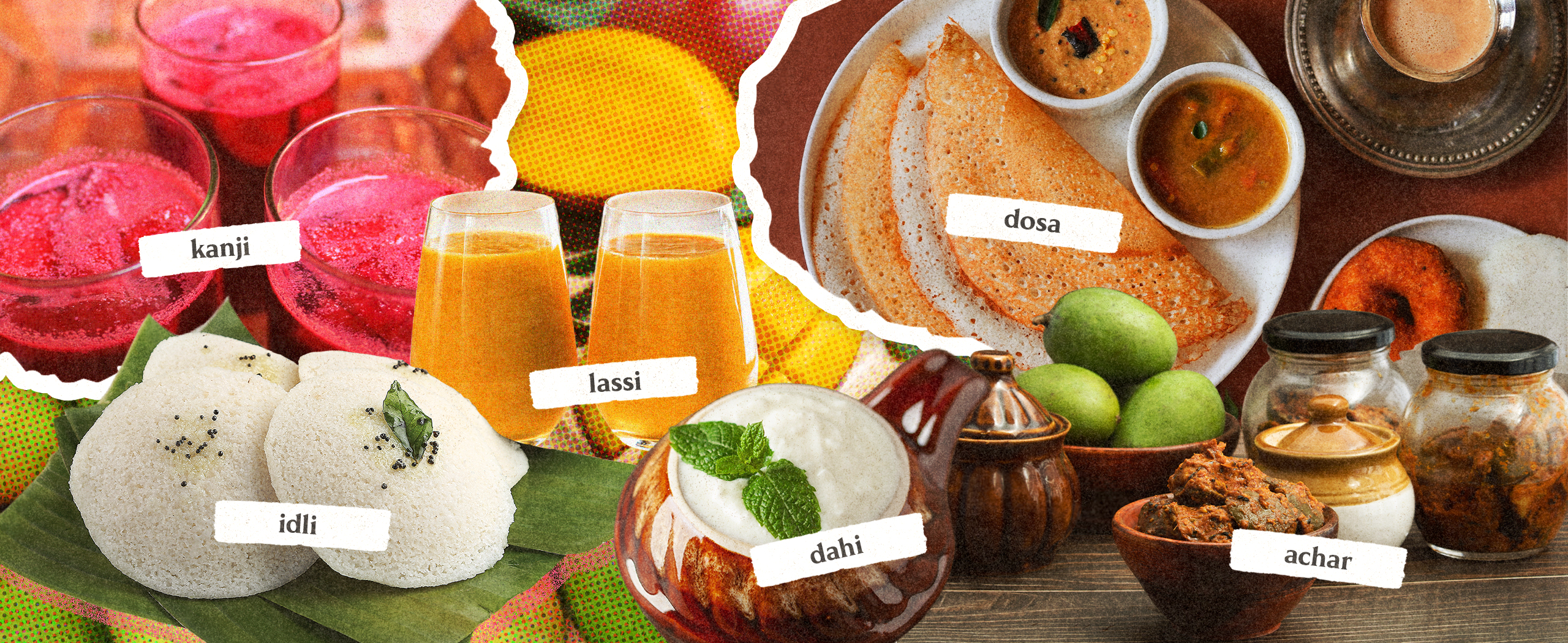
- Probiotics are live bacteria that are beneficial to the gut and are primarily found in fermented foods such as yogurt, kefir (a fermented milk drink), miso (traditional Japanese fermented soybean paste), pickles brined in salt rather than vinegar, etc.
- Prebiotics are non-digestible fibers that are food for the good bacteria in the gut. Many plant-based foods are a good source of prebiotics, such as slightly green bananas, apples with the peel on, vegetables, beans, and whole grains.
- Postbiotics are bioactive compounds released in the gut when probiotics digest prebiotics such as short-chain fatty acids and peptides.
Probiotic supplements are generally safe for most people to consume, but could cause problems for people with a weak immune system, including those taking immunosuppressant drugs, people with serious illnesses, and prematurely born infants.
Similarly, prebiotic supplements are generally healthy but can cause discomfort to people with Irritable Bowel Syndrome (IBS) or Small Intestinal Bacterial Overgrowth (SIBO). These supplements are also not recommended for immunosuppressed individuals. Taking too much of these supplements can cause bloating, stomach pain, diarrhea, etc. Prebiotic sodas contain less sugar and more fiber than regular sodas, but should be consumed in moderation. People with the digestive issues mentioned above could experience negative effects.
While the food we consume often lacks fiber, eating too much fiber (for example, following a raw diet) or suddenly increasing intake can cause digestive issues, intestinal blockage, and nutrient deficiencies. It is also good to keep in mind that our bodily condition changes, and so do our nutritional needs. If a person with IBS has an episode of diarrhea, a low-fiber diet would help.
Concluding words…
Eating a healthy and balanced diet is not about following trends and fads. It is about listening to your body and having the right information. It is about appreciating natural sources of nourishment and not yo-yoing between extremes. Eating healthy does not mean giving up foods you love. You can still eat what you like, just make sure you choose products made from good-quality ingredients, and as little processed as possible.