Kofta kebab: From ancient recipe to modern favorite
If you are a kebab connoisseur, you will know that despite the use of similar ingredients, different recipes can produce very different dishes due to variations in stages of preparation, seasoning, spices, and cooking methods. The kofta kebab is a good example of such a dish.
The word kufta has Persian roots and means ‘pounded meat’. The tradition of pounding meat is an ancient one. Dishes made from minced lamb or beef are countless. However, in the case of kofta kebab, the meat takes on the consistency of a paste. Depending on the region where the kofta is being prepared, the ingredients mixed with the minced meat and the cooking methods can be very different. After all, we must not forget that the meatball in the West is also a kind of kofta kebab.
Origins of the kofta kebab
While there is debate surrounding the precise origins of kofta, the dish was most probably created in Persia after the Arabs conquered the Persian Empire in the mid-7th century.
The earliest recipes are found in Arab cookbooks that describe large lamb meatballs glazed with egg yolk and saffron. In the present-day Persian city of Tabriz, a similarly rich version is prepared with split peas, rice, dried fruit, nuts, and hard-boiled eggs inside. These were recipes for creating luxurious dishes to grace the tables of sultans and emperors. The most astounding were the regal varieties of the Tabrizi kofta—meatballs with an entire chicken or even turkey inside! Gentle simmering in a small amount of sauce was the primary traditional method of cooking.
The more common variety of the Persian lamb kofta kebab is prepared in the form of a slightly longish meatball grilled on a skewer. The meat is spiced and seasoned with ginger, cumin, coriander, fresh parsley, mint, etc.
These ancient recipes travelled far and wide along trade routes, and Persian food influenced many great culinary traditions—reaching the Indian subcontinent with the Mughals, spreading through Turkey to the Levant and Central Asia, along with Greece and the Balkans. The kofta kebab merged with Roman meatball recipes, leading to the large and diverse variety of meatballs to be found around the world today.
The essence of a kofta kebab recipe
The word kofta is said a bit differently in different areas. In Persian, the stress is on the first syllable, and the word is pronounced as ‘koofteh’. In Turkish, it is köfte or ‘kaftay’. In the region comprising today’s Lebanon, Palestine, Israel, Jordan, Syria, and Egypt, once known as the Levant, the word becomes ‘kafta’. Other Arabic and regional variations are ‘kufta’, ‘kifta’, ‘kefta’, etc. In the Balkans, it changes into ‘chuftey’. In Greece, the name is ‘keftedes’. In India and Pakistan, it is pronounced as kofta with equal stress on both syllables.
Naturally, just as the name of the dish changed according to regional languages, the recipe also took on local twists and turns. However, the base of the kofta kebab recipe remains a paste of minced meat with onions and garlic. Other local spices and aromatics are added differently from place to place. While baking and frying are also common, the kofta kebab is predominantly prepared on skewers over charcoal.
The type of meat also varies, but the ratio of fat-to-meat is generally 20% fat to 80% meat. This helps the kofta retain its shape. Grated onions instead of breadcrumbs and/or eggs that are usually used in the Balkans and Italy as binding ingredients also help keep the meat moist and tender. Bulgur (a cereal form of dried whole wheat, cracked and parboiled) is also added in the Middle East to the minced meat mixture to bind everything together, while contributing a nutty flavor.
Varieties of kofta kebab
The Persian kofta kebab is made of a mix of ground lamb and beef seasoned with salt, black pepper, ginger, cumin, coriander, turmeric, sumac, saffron water, fresh parsley, mint, etc. For binding, breadcrumbs or eggs may be used. The traditional method relies on a good meat-to-fat and meat-to-onion ratio, and on how the mixture is kneaded to hold the mix together on skewers. If you are in the mood to make the Persian-style kofta kebab at home, Steve Cylka provides a simple recipe.
The Turkish version is prepared with lamb or beef mince, or a combination of the two. Other main ingredients are onion, garlic, ginger, parsley, and cumin, with salt and pepper for seasoning. The mix can be prepared on skewers over a charcoal grill. It can also be fried in a pan.
The Lebanese kofta kebab relies on the flavor of sumac or zaatar (literally thyme in Arabic but refers to a mix of aromatic herbs and spices popular all over the Middle East, containing thyme, hyssop, oregano, mint, etc.), cinnamon, and crushed dried mint along with onion, garlic, and parsley. Minced beef or lamb can be used, or substituted with chicken or turkey mince.
The Egyptian version uses cloves, cinnamon, mace, and nutmeg along with sumac. These kebabs can also be baked in the oven.
The Greek lamb kofta kebab is not rich in spices, using only cumin and coriander; however, smoked paprika and chili flakes can be added. These kebabs are then grilled on skewers.
In North Africa, the ‘kefta’ is prepared using lamb meat, warm spice blends containing ground cumin, cinnamon, turmeric, sweet paprika, etc., and fresh mint leaves.
The Indian and Pakistani style kofta kebab is prepared with turmeric, red chilies, fresh coriander, garam masala (variations of spice blends usually including cinnamon, cardamom, coriander seeds, cumin, cloves, black peppers, black cardamom, etc., roasted and powdered). Meat is usually beef or chicken. It should be noted that in this region, this dish is traditionally cooked and served in curry sauce instead of in the form of kebab.
Many ways to eat kofta kebab
Of course, since there are so many ways of preparing the kofta kebab, there is also a large variety of serving options.
In Turkey, this kebab is enjoyed with rice and salad, but wraps are also in fashion to adapt to modern street food culture. In the Middle East, the dish is enjoyed with pita bread, couscous salad, cucumber and tomato salad, hummus, etc. Persians love to eat their kofta kebab with rice pilaf. In Egypt, too, this kebab is often served with rice, but also with Egyptian whole wheat flatbread or ‘Aish Baladi’ (bread of life), tahini sauce, and salad. Greeks serve the dish with pita bread and tzatziki.
In Morocco, this kebab is traditionally served with bread soaked in juices from the meat and made into a sandwich, enjoyed with harissa (a hot aromatic spice paste made from chili, spices, and herbs), green olives, and a salad of finely chopped tomato and cucumber, seasoned with cumin, salt, and pepper.
Indian style kofta kebab is usually enjoyed with flatbread, a yogurt mint sauce, and a tomato and lettuce salad, or hot green chutneys. Other bread options are naan and paratha.
This dish is all about flexibility. It can be eaten as a main meal, a snack, a sandwich, a wrap, or a roll. You can carry it with you and eat it on the go. It is wholesome and an essential when it comes to traditional street food.
Kofta is not all about meat
With all these delicious variations, the kofta kebab is a sure favorite of meat lovers, but it is not all about meat. As we have seen, split peas and bulgur are traditional ingredients in recipes, but there are also vegetarian versions, for example, the Turkish lentil or Mercimek Köftesi. Mercimek means lentil. The lentils are boiled, and together with cooked bulgur, they form the base for making kebabs. Find an easy and fresh recipe by Sharon Brenner to make these vegetarian kofta kebabs at home.
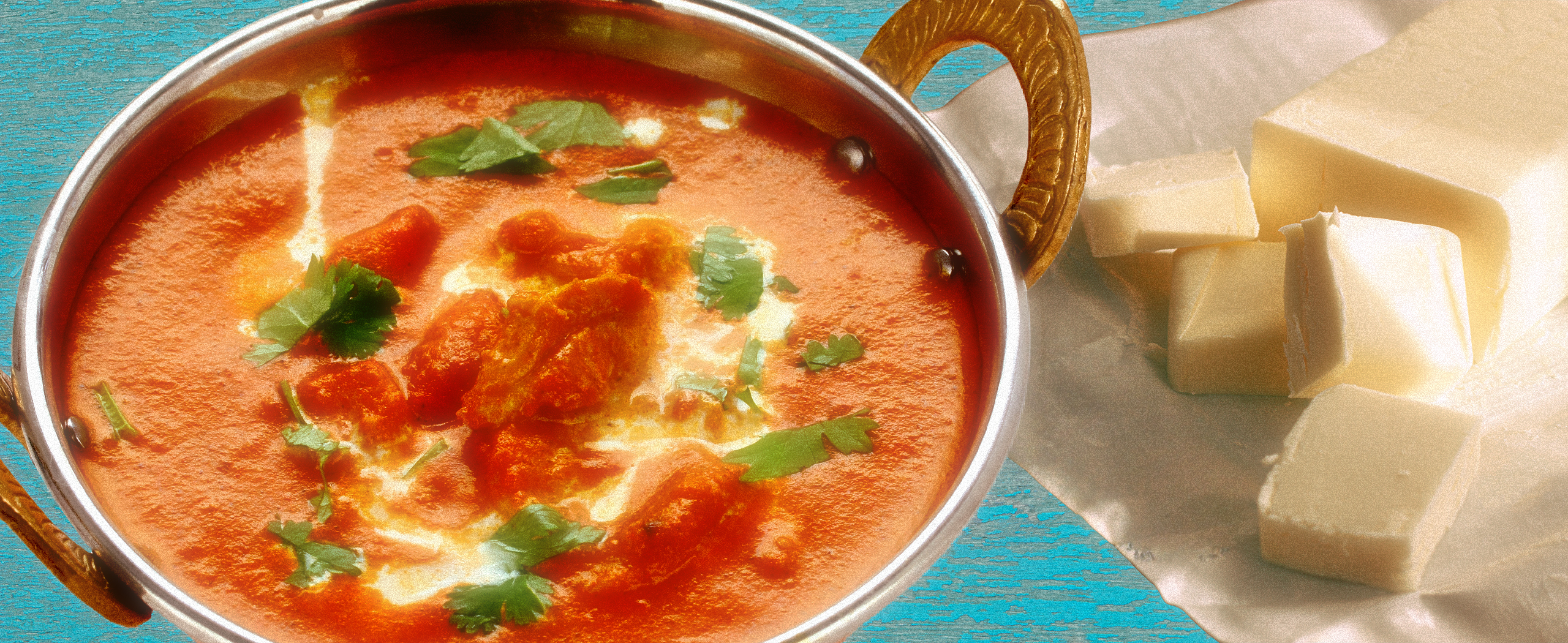
Another delicious vegetarian option is the Indian malai kofta that is served with garlic naan. These veggie kebabs are made with a potato and paneer (Indian cheese) mix, then deep-fried and served in a creamy and spicy tomato curry. Manali Singh provides us with a great recipe to make this tasty vegetarian option.
Concluding words…
Now that you have read so much about this dish, chances are you might be quite hungry, perhaps craving a kofta kebab, wrapped in flatbread, dipped in a sauce of your choice.
Not to worry…you don’t have to make this kebab at home…not just yet. You can choose Lebanese-style lamb or chicken ready-to-eat kofta kebab…or both—from Kaiser and Colonel Kababz. Try with garlic naan or a plain paratha for a simple but delicious meal. Fortunately for us, this ancient recipe has stood the test of time and continues to be a modern favorite!