Paratha bread: Its ancient origins and layered history
You don’t have to be a committed foodie to have tried the delicious paratha, a layered flatbread made from unleavened dough, shallow-fried on a tawa or girdle. It is now undisputably a part of modern global cuisine.
The history of this unique and versatile flatbread is multilayered, just like the crispy and flaky paratha itself. Migration, trade, and colonization have all played a part in its evolution. The paratha bread has travelled a vast territory—from India, Pakistan, Nepal, Bangladesh, Sri Lanka, and other countries of the region to as far as South Africa and the Caribbean Islands—and has become a part of the local cuisine.
The origin of paratha bread
The word paratha points to its ancient origins in the Indus Valley. Parat means layers, and atta means whole wheat flour. The Indus Valley civilization was at its peak around 5,500 years ago, and there is evidence that breads similar to paratha were already eaten then.
In Mānasollāsa (That which Delights the Mind), an encyclopedia written from 1126 to 1138 BC by Chalukya king Someśvara III, a flatbread pūraṇa is mentioned. This bread was made with wheat flour, and the stuffing was sweet! The first paratha was actually a sweet dish, and its stuffing was made with jaggery and gram paste, seasoned with cardamom powder, black pepper, etc. Today in Karnataka, Maharashtra, and Gujarat in India, sweet parathas are stuffed with boiled chickpeas, jaggery, and coconut.
A Gujarati text, Varanaka Samuchaya, written around 1250 AD, mentions methi thepla, a savory paratha stuffed with fenugreek leaves, eaten with raita.
Trade, colonization, migration, and the paratha
While trade relations and the emergence of colonization in the Global South are vast subjects of study, when it comes to the paratha, we find one interesting detail of culinary history. This detail may seem trivial, but we can grasp its significance by its impact.
The Portuguese arrived in India in the late 1400s. Trade relations grew, and Goa was colonized. The Portuguese brought new ingredients that they had discovered during their conquests in the Americas. The most popular among these were chilies, tomatoes, and potatoes.
The iconic aloo paratha, so symbolic of today’s desi cuisine, didn’t appear until the arrival of potatoes in India through trade routes and eventual colonization by Western European powers! Cultural exchange takes place regardless of the conditions of peace and conflict. And nothing binds people together more than food. The humble aloo paratha is a spicy, hot testament to human connectedness.
It is believed that in India alone, there are 50+ varieties of this delectable flatbread, plain or stuffed. More varieties were created as immigrants travelled from India to settle in other parts of the world.
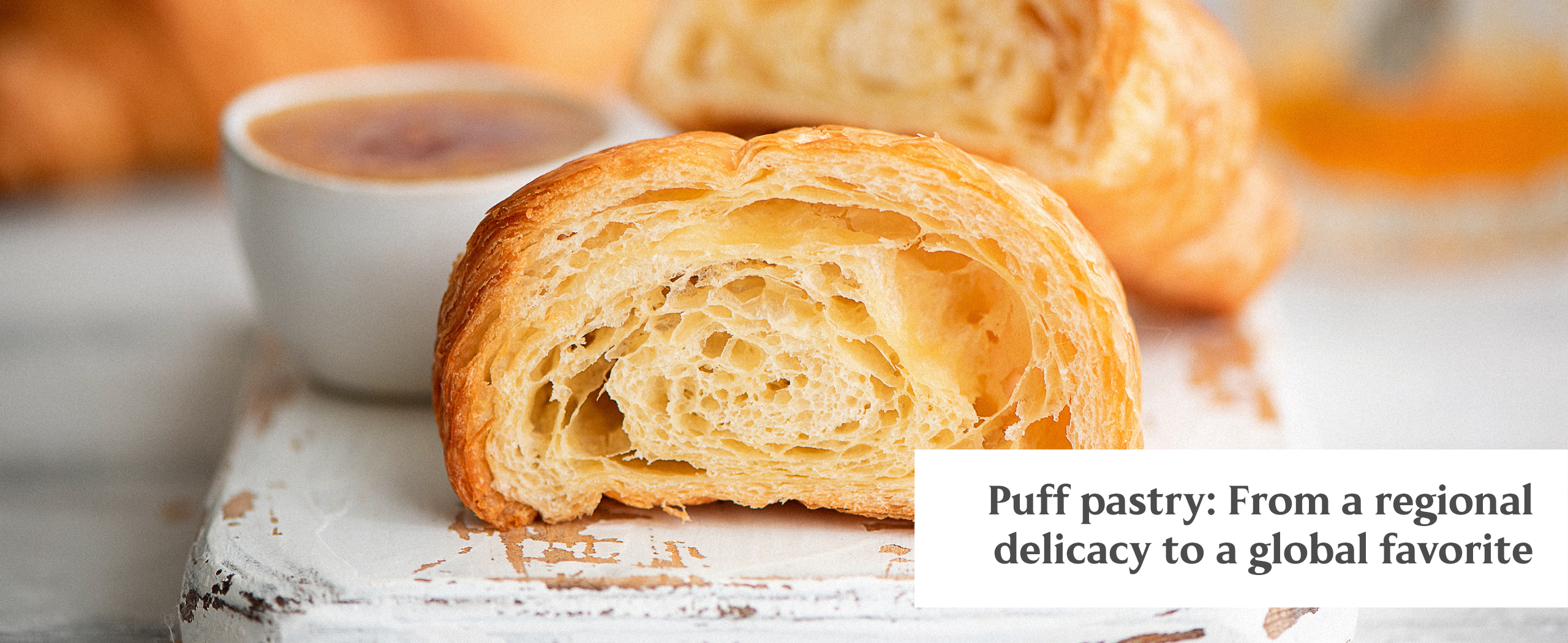
In Kerala and Tamil Nadu in southern India, and in Sri Lanka, a flatbread called parotta is prepared, which is often confused with the North Indian paratha. Both are layered and flaky, but the parotta is made with refined flour (maida), which has more gluten. Layers are created in parotta by repeatedly slapping the flatbread against the tawa, whereas the paratha gains its layers from folding ghee within the dough. It is believed that the South Indian parotta was the inspiration behind Singapore’s popular roti prata and Malaysian favorite roti canai, just as the Malabar paratha is a South Indian version of the North Indian lachha paratha.
Is the famous Mughlai paratha not Mughal?
The Mughlai paratha is a centuries-old popular snack in Bengal. It is eaten in Dhaka and Kolkata with fervor and is referred to as the Moglai porota.
There are many theories about its emergence.
It is commonly believed that the deep-fried Mughlai paratha with its rich filling of heavily seasoned and spiced meat and egg was created when the Mughal Emperor Jehangir became bored with the keema (minced meat) paratha, and his Bengali cook created this version. It is alleged that the cook’s descendants later popularized the dish in his native Bengal. However, there is no mention of this food in Mughal chronicles, and although the story is frequently mentioned, it remains unsubstantiated. So, we need to go deeper.
A theory about the Mughlai paratha is that it is a version of the Rangooni paratha or Burmese palata, a deep-fried snack with a filling made from egg and mince. But then there is the baida roti, a popular snack in Mumbai. It is, in fact, a paratha with a minced meat filling. It is shallow-fried with a coating of beaten egg. The Burmese palata snacks are very similar to this popular Indian street food. They are either plain, served with dipping curry sauces, or stuffed with minced meat and egg.
We also have the Mogs and their pantheras. The Mogs are one of the indigenous groups of the Chittagong Hill Tracts. They were known for innovations that led to adaptations of desi food to British tastes. The Mogs were primarily employed in Ango-Indian households in Bengal. They were Buddhists and didn’t find it offensive to prepare dishes with beef or pork. However, they needed to be creative and prepare food that appealed to their British employers. Thus, they made many culinary contributions to Bengali cuisine. One of their famous innovations is the Kolkata snack called pantheras. These batter-fried rectangles with minced meat are very similar to the Bengali Moglai porota and might have inspired its creation.
The Mughals certainly ate parathas, but it is doubtful that the Mughlai paratha of today was a delicacy that graced their tables.
Roti canai vs. roti prata
Sometimes roti prata and roti canai are confused, but they are quite different.
The word roti entered the Malay language from Sanskrit and is used as an umbrella term for bread. Some think that canai refers to the Indian city of Chennai. But the word means ‘to knead’ in Malay. Also, the Malay word prata means “flat” or “thin”.
The Malaysian roti canai was created when the paratha introduced by Muslim immigrants from India was adapted to local tastes. The dough is kneaded with ghee to achieve a stretchy and soft texture. Flattening, folding, and frying make this flatbread crispy on the outside and soft and flaky on the inside. Roti canai is eaten as a snack or breakfast, served with different curries.
Now we come to roti prata. Although the inspiration comes from the Malaysian roti canai, the Singapore version has its own twist. Roti prata is made with flour, water, sugar, and condensed milk. The layers are super thin, and the texture is achieved by stretching and tossing the dough. Roti prata is frequently served at any meal with both savory and sweet dishes.
Paratha innovations and improvisations continue
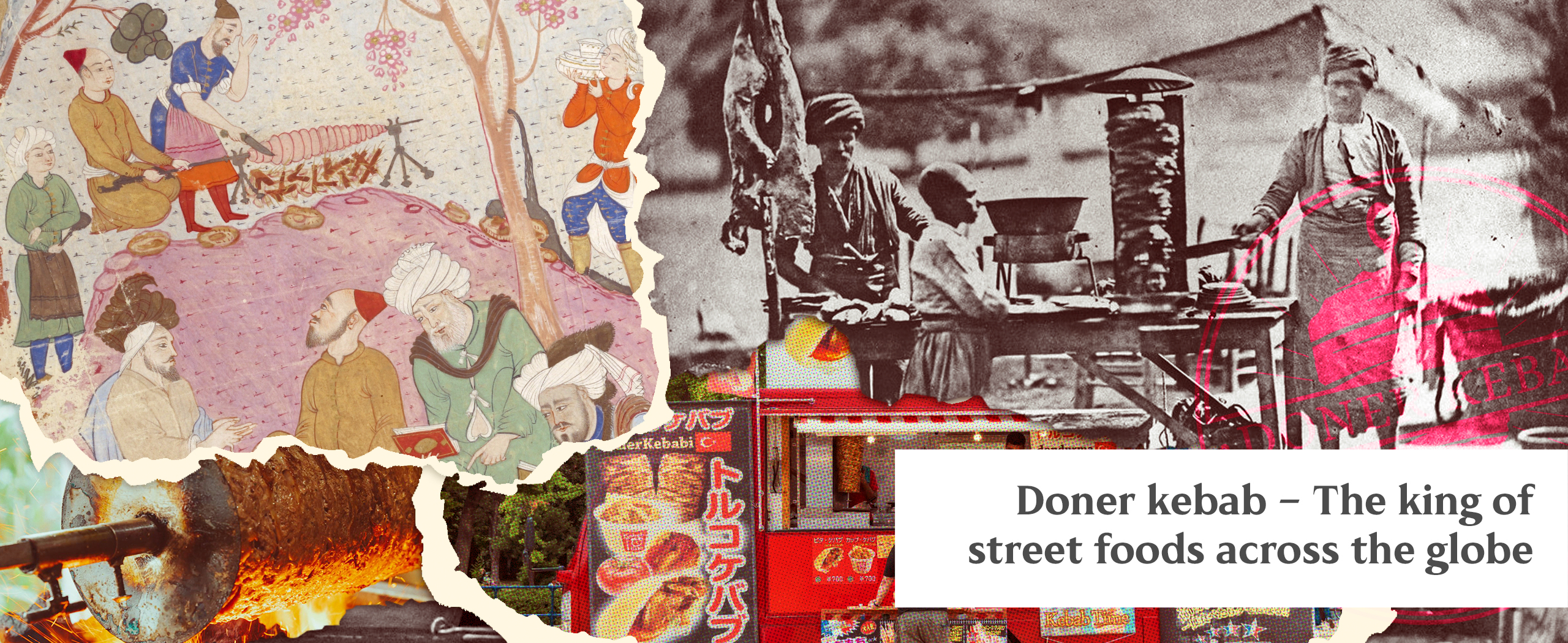
Just as in 1930, Nizam’s restaurant in Kolkata created the hugely popular kathi (or kati) roll by wrapping grilled kebabs in paratha bread, today, an eatery, Klay by Karak House in Dubai, has created a smash burger in a paratha bun that is going viral!
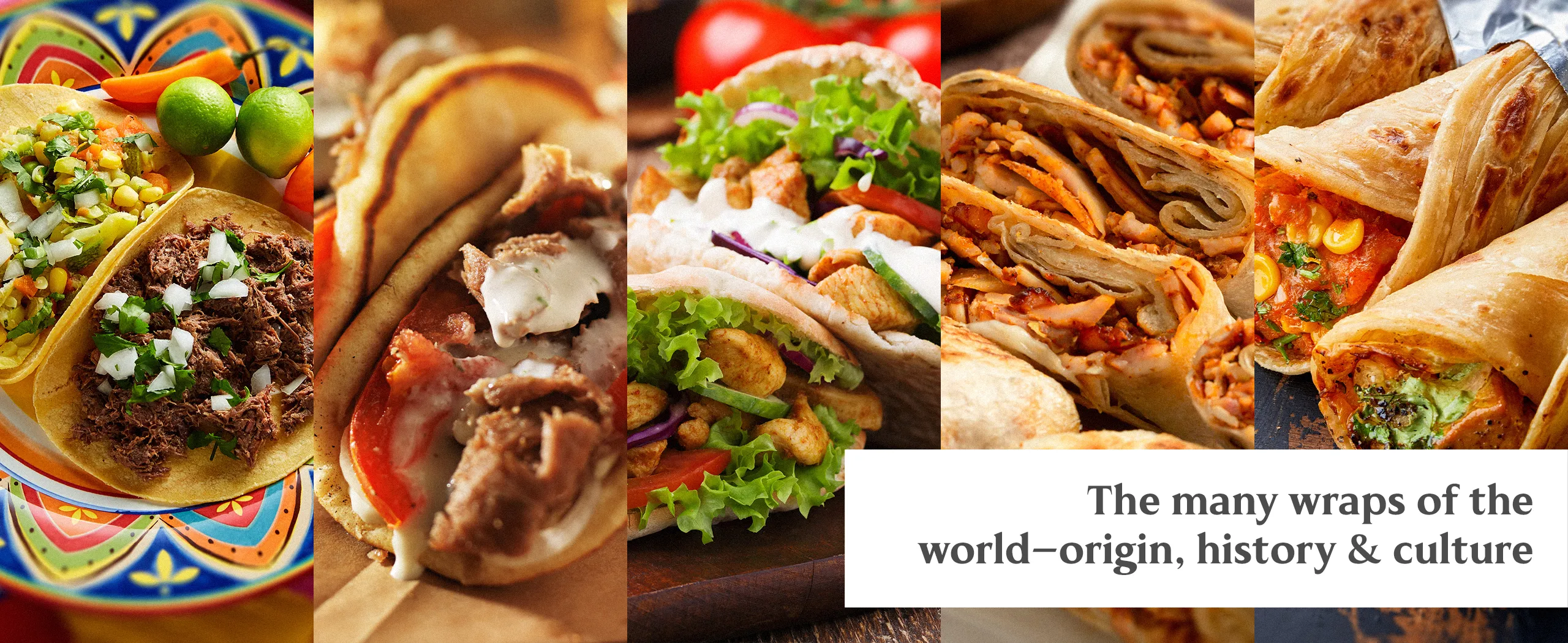
The paratha, plain or stuffed with a variety of meats, vegetables such as potato, cauliflower, spinach, fenugreek leaves, etc., lentils, and cheese, various seasonings and spices, is shallow-fried or deep-fried and used to make many kinds of wraps and rolls. It is constantly evolving and changing. Thus, we have our Nutella paratha too!
Immigrant communities have played a huge role in providing traditional foods to those living far from home, particularly foods like paratha, which carry many sweet, nostalgic memories.
At the same time, such communities in the Global North, in the US and Europe, have also popularized many desi foods. Among the flatbreads from the East, such as saj, taboon, pita bread, and naan, trending around the world, paratha bread stands out as a highly versatile and diverse bread offering endless options for improvisation.
Concluding words…
You can certainly also explore your culinary creativity by making parathas from scratch, giving them your own twist, and adding your unique layer. Here is a simple recipe for making it, if you have just started your culinary journey to explore the dizzying variety of paratha!
On the other hand, if you just want to have your paratha and eat it too, Kaiser’s frozen parathas are there. You can have the plain paratha, to add your own ingredients, and make a wrap or roll, or eat your favorite curry or dal with it. You also have the classic aloo paratha, the aloo and methi (fenugreek leaf) paratha, and a mixed vegetable filling option with potato, carrot, cauliflower, and peas. There is the famous Malabar, and of course, the legendary crispy lachha paratha with a spiral appearance carved from its meticulously crafted paper-thin rings of dough, brought together to make this delectable flatbread.