Paneer | The unique South Asian fresh white cheese
Most of us think of stringy, melty yellow cheese on pizza when we hear cheese. But cheese is of many types—each with a distinct flavor, texture, and health benefits. Paneer is often described as Indian or desi cottage cheese, consumed in India, Nepal, Bangladesh, Pakistan, and Afghanistan. It is a unique type of fresh white cheese—an important part of the culinary tradition in the Indian subcontinent dating back to ancient times. The most popular South Asian dish with paneer in Western countries is probably palak (spinach) paneer, a spicy and creamy vegetarian dish rich in dairy protein.
Origin of paneer—the debate and theories
Evidence suggests that, along with other dairy products, people in the Indus Valley consumed paneer in ancient times—roughly 4500 years ago. Research shows that the indigenous population reared cattle and relied heavily on dairy products. Originally, they curdled milk with specific sour leaves, berries, etc. to make paneer. Ancient Vedic texts suggest ancient paneer resembled the modern-day product, but was quite different.
According to some food historians, Aryan invaders who came to the region around 1800 BCE did not approve of the locals’ paneer-making. Cattle and milk were sacred for the Aryans, and while ghee and butter were fit to consume, curdling milk through deliberate coagulation using acidic herbs and fruits was seen as ‘spoiling’ it. Arguably, making paneer became a taboo in certain Indian traditions and was later reintroduced by either the Persians and Afghans or the Portuguese, around the 16th century.
Who brought modern paneer to India—Persians and Afghans or the Portuguese?
The word paneer comes from Persian panir, meaning cheese. Words used in the region to refer to cheese are similar. In Turkish, it is peynir. Azerbaijan calls it pəndir. In Kurdish, it is penîr. And in Bengali, it is ponir. But the types of paneer made across the region are not the same.
One theory suggests that Persian and Afghan travelers and invaders brought their cheese-making processes to the Indian subcontinent, which, combined with local dairy traditions, produced the specific type of paneer that we know. During the Persianized eras of the Delhi Sultanate and Mughal Empire in India, paneer-making developed, evolved, and was moulded to suit the local context, resulting in the modern-day product.
Others say the Portuguese introduced paneer-making to India in 17th-century Bengal. “Breaking milk” with acid was a Portuguese technique—they had a culinary tradition of making various types of fresh cheese. The Portuguese also introduced a type of smoked cheese to Bengal—Bandel, which was very different from paneer.
Despite conflicting theories, it is safe to conclude that regional and Western influences influenced the resurrection and refinement of the ancient tradition of paneer-making and established paneer as the local cheese of the Indian subcontinent.
What is paneer and how is it made
Paneer made in the Indian subcontinent is fresh, acid-set cheese that is non-melting, unsalted, non-fermentative, no-rennet (an animal-sourced enzyme), and unaged. It tastes mild and milky, with a hint of acidity and subtle sweetness.
The process of making paneer is centuries old. It is typically made from whole buffalo milk (although cow milk is also used). Milk is heated to almost boiling point, and food-grade acid is gradually added while constantly stirring. Traditionally, lime juice, white vinegar, citric acid, etc. are used to curdle the milk. Milk proteins solidify and separate from the liquid whey (the liquid that remains after the cheese-making process). Once the mixture settles, the curds get drained through muslin or cheesecloth and pressed into a compact form. Pressing removes any leftover excess liquid. The solid paneer is then placed in chilled water to make it firm.
What makes it different from other white cheeses
When you go to the supermarket looking for fresh white cheese, you may find yourself confused about products that look similar but are actually different. This is because many different kinds of white cheese have appeared around the world wherever people have traditionally kept cattle. Many resemble paneer from the Indian subcontinent, which is often confused with other white cheeses like Western-style cottage cheese and Feta. However, paneer has its own unique characteristics—flavor, texture, and culinary uses—that set it apart.
Paneer VS Western-style cottage cheese
Paneer and Western-style cottage cheese appear similar, but they are not really the same.
In the West, cottage cheese is made by introducing acid (such as lime juice or vinegar) to milk, which separates curds from liquid. While skimmed milk is the most common choice, non-fat and whole milk are also used to make varieties with less or more fat. The standard process includes draining, rinsing, and dressing the curds with a mix of cream and salt for texture and flavor. Unlike paneer, these curds remain unpressed—moist, loose, and lumpy.
When exposed to high heat, cottage cheese breaks down, unlike paneer, which retains its shape, making it ideal for desi-style curries. Gentle heat makes cottage cheese softer and creamier, which is why it is used for baking and making sauces and batters.
Paneer has almost double the protein content of cottage cheese. It is higher in calories and fat because it is obtained from full-fat milk. Both provide vitamins and minerals for bone strength, but paneer also contains vitamin A that supports eye health.
Paneer VS Feta
Feta can be easily confused with paneer. At a glance, they might seem the same, but they are different dairy products.
Feta is a salty and ripened white cheese. Traditionally, it is made from sheep or a mix of sheep and goat milk, coagulated using rennet or cultures. The curds separated from whey are then pressed and formed, salted, dried for a few days, and submerged in salted brine to age. Feta has a soft, crumbly, and somewhat grainy texture, and is kept in brine even when ready.
Feta has a strong flavor that dominates dishes. Its rich flavor shines in salads and savory stuffed pastries. Paneer, on the other hand, is unaged and without an overwhelming flavor.
These two types of white cheese have different characteristics; hence, their health benefits vary, too. Feta is high in sodium, while paneer contains very little sodium. Feta is more beneficial for gut health because it is made of sheep and goat milk and cured in brine. Paneer is high in casein and fat, so it digests slowly; however, it is low in lactose, so it is a great option for people with lactose intolerance. Both are similar in calorie count, provide good quality protein, and have about the same fat content.
Paneer VS tofu
If you look at the two products, both are creamy white in color and firm, so you may think they are the same. But paneer is inherently different from tofu. It is a dairy-based fresh white cheese, while tofu is a plant-based curd made from soybeans. Soy milk is extracted from beans and curdled by adding calcium or magnesium salts. The solids are separated and formed into firm blocks that only superficially resemble paneer.
Both have culinary uses based on their individual characteristics.
Given its mildness, paneer is used in many traditional desi dishes, both savory and sweet. Tofu can also be used like paneer in desi cooking because it has a mild flavor and absorbs flavors from other ingredients. Moreover, like paneer, it doesn’t melt and retains its shape when cooked. For those who want to avoid dairy, tofu can replace paneer in desi-style dishes, although this will affect the flavor, texture, and nutritional profile. Tofu’s plant-based origin makes it a great choice for vegans, and its versatility makes it part of many world cuisines.
Nutrition-wise, paneer provides more energy, protein, and fat; however, tofu is a good low-calorie option for plant-based protein, particularly for weight watchers. Both are good sources of vitamin B12 and D; however, paneer also provides riboflavin (B2). Tofu is a slightly richer source of calcium and magnesium and provides significantly more iron. Overall, paneer and tofu complement each other and can help build muscle and boost energy levels.
Paneer VS halloumi
Another cheese that looks like paneer is halloumi, but it is different, too.
Halloumi is a fresh white cheese, traditionally made from sheep and goat milk, although modern halloumi is usually made from cow milk, or a blend of all three. Rennet is used to curdle milk and obtain this cheese. When the curds form, they are cut and reheated for more firmness. Like paneer, the curds are pressed. However, unlike paneer, they are then boiled again in the whey collected during pressing. Once cooked to the right texture, the curds are separated from the whey, salted, and garnished. Like Feta, they are kept in salted whey or brine for a couple of days before being ready.
Halloumi is very salty and milky but overall mild. It is dense, firm, and doesn’t melt. It retains its rubbery, chewy texture. It doesn’t readily absorb flavor from other ingredients, like paneer, so while you can use it in desi-style dishes, the flavor and texture will be different.
Both paneer and halloumi provide about the same amount of protein, calcium, and fats, and both are high in calories. However, paneer has a lower sodium content than halloumi.
Top three paneer dishes—delicious, spicy and healthy
Many desi dishes, street-style foods, and snacks use paneer, but these three paneer dishes are truly iconic.
Palak (spinach) paneer
This dish is often on desi restaurant menus, but you can also make it at home with this Manali Singh recipe.
Palak paneer is a popular North Indian vegetarian dish made with spinach and paneer as its main ingredients—blanched spinach leaves are pureed with ginger, garlic, tomatoes, and spices. A gravy is made out of sautéed onion and garlic and the pureed spinach. A touch of heavy cream makes it smooth and balances the slight bitterness of spinach. Paneer cubes go into the palak gravy near the end and simmer for a while. The dish is finished off with a little lemon juice and dried fenugreek for depth and freshness, and served with naan, roti, or rice.
Matar (green peas) paneer
Matar paneer is another hugely popular North Indian dish. Follow Izzah Cheema’s recipe to create this restaurant favorite at home.
This dish is built on a foundation of onion and tomato paste made with garlic, ginger, and spices such as cardamom, coriander, cumin, red chili, and turmeric. Peas are added to this base, along with paneer cubes (which can be pan-fried in butter before adding to the gravy). Heavy cream is also added to make the dish creamier and balance the acidic flavor of spiced onion-tomato gravy. Cilantro, dried fenugreek, and garam masala are used as garnish. Roti, naan, paratha, or plain basmati rice—all pair well with matar paneer.
Paneer makhani, or butter cheese
Yet another popular North Indian dish in which paneer takes center stage—try this recipe by Dassana Amit to make this delightful paneer dish at home.
A simpler paneer dish, paneer makhani starts with a base of pureed tomatoes, sautéed ginger and garlic, and spices. The gravy is simmered until a little thick, and then green chili and julienned ginger are added to it. Paneer cubes go in next, along with dried fenugreek and cream. The dish is ready when the cream has mixed uniformly. Garnish with garam masala and serve with roti, naan, paratha, or rice.
Complete your meal—pair your favorite paneer dish with Rumali Roti, Paratha, or Tandoori Naan from Kaiser’s selection of Indian flatbreads. |
Concluding words…
Paneer is a unique, versatile, and healthy fresh white cheese. You can eat it as it is or add it to dishes. Cooking with paneer is easy because it is such a versatile ingredient. It doesn’t melt or break down over high heat, which is why it’s used in many ways. You can skewer it and grill it, or pan-fry it and add it to gravies. You can make it part of breakfast, a healthy snack, or a delicious meal. Trying paneer definitely broadens your culinary horizons.
If you haven’t tried it yet, a great start is the popular South Indian appetizer Paneer 65—but if you find it too spicy for your ‘beginner taste buds’, try the Paneer makhani recipe, one of the mildest paneer dishes.
Common questions asked about paneer
Why does paneer not melt?
It doesn’t melt because the milk is coagulated using lime juice or vinegar instead of rennet. Using an acidic substance makes the milk proteins clump together and form a stable network. The high calcium-phosphate content further strengthens the protein bonding. When heated, proteins stay locked together; the paneer gets firmer, not softer; water is lost, but the shape isn’t.
Why does paneer become rubbery?
It essentially becomes rubbery when it loses moisture. Moisture can be lost by overcooking, excessive pressure during production, low fat content in the milk, and improper storage.
Can you eat paneer raw?
Yes. Paneer is eaten raw like other types of white cheese such as Feta, halloumi, and Western-style cottage cheese.
How long does paneer last?
Fresh paneer has a short shelf life of 1-2 days at room temperature and 5-6 days if refrigerated. To extend its life in the refrigerator, you can keep it submerged in water in an airtight container and change the water every other day. If you freeze paneer, it can last for up to 3 months.
How do you know when paneer has gone bad?
When it goes bad, it gets a foul, sour smell; it discolors, becomes slimy, and tastes bitter. Like any other cheese, you can tell when it’s gone off.
Can paneer be frozen?
Yes. You can freeze it to increase its shelf life. If it’s store-bought and unopened, you can freeze it as is. If it is homemade, wrap it in plastic and put it in a freezer-safe bag.
Is paneer keto?
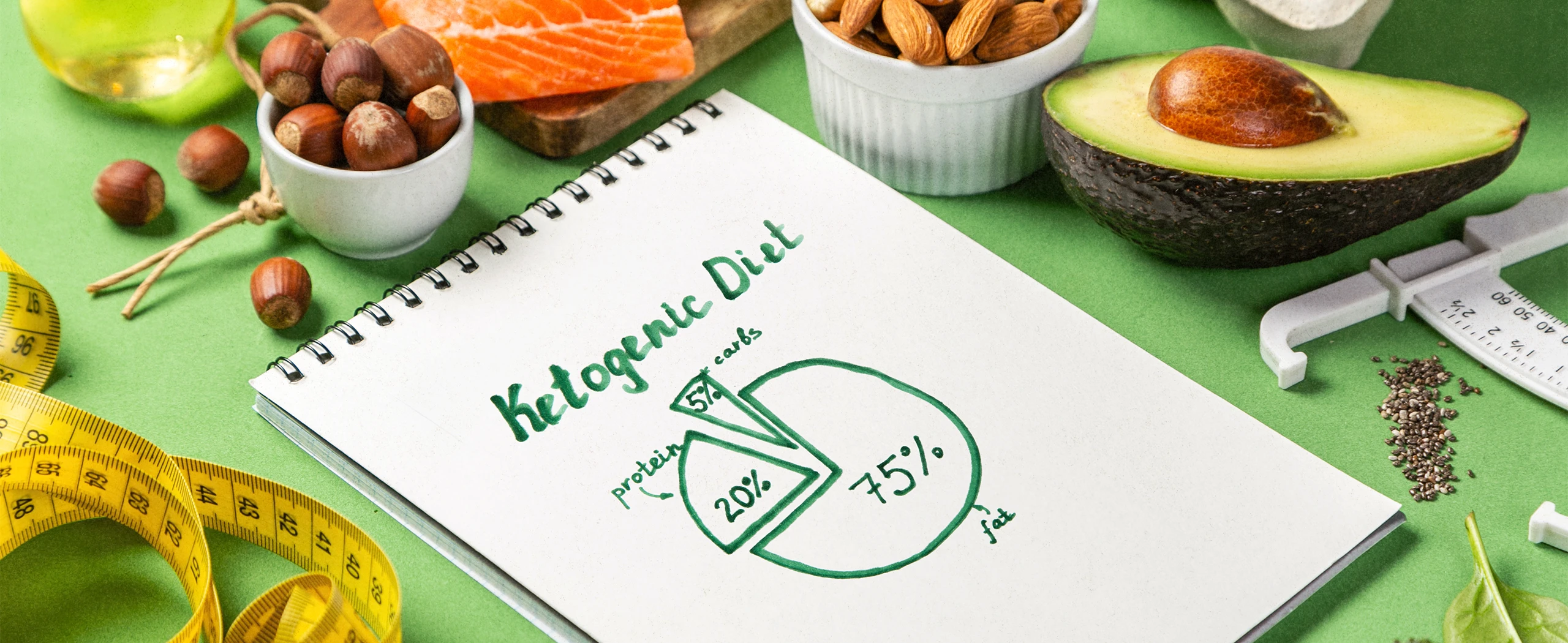
It has a very low carbohydrate content, but it is rich in protein and fats, which makes it a good choice for people on a keto diet.
How to marinate paneer?
Yes. Paneer absorbs flavors of other ingredients well. You can marinate it with spices, herbs, lemon juice, gram flour, etc. However, you shouldn’t leave it marinated for more than a couple of hours.
What is paneer called in English?
In English, it is often referred to as the ‘Indian cottage cheese’ despite being very different from Western-style cottage cheese.
Is paneer cottage cheese?
Paneer and Western-style cottage cheese are both white cheeses, and though they look similar at first glance, they are different in how they are made, their flavor and texture, and how they react to heat.
Is paneer healthy to eat?
Yes. It has a healthy nutritional profile; however, whether or not it is good for you depends on your body’s nutritional needs. It is high in calories, fats, and protein, and also rich in micronutrients such as calcium, phosphorus, and vitamins B2 and B12.
Is paneer vegan?
No. It is made from buffalo or cow milk; it’s a dairy product, hence not suitable for a vegan diet.