Haleem | A unique and historical delicacy
Culinary history around the world is full of stories about dishes that show us how ancient traditions continue through innovation and creativity. People take the flavors of their homes with them on journeys; if they settle somewhere far from home, they share their recipes with local populations. Local culinary traditions influence these recipes, creating new versions. Sometimes dishes of humble origins ultimately grace the tables of royal courts, and sometimes dishes created for kings and queens become popular street foods.
The story of Haleem is also one of these. The dish is unique and ancient. It has belonged as much to the people as to royal courts, and historically it is also associated with religious occasions and charity in both Christianity and Islam.
Origin of Haleem: The ancient porridge Harees?
Essentially, haleem is a thick porridge-like dish prepared with lentils, wheat, barley, and meat. It is slow-cooked for a long time to create wholesome and nutritious food. The dish was inspired by Harees, a porridge-like dish going back to ancient times.
The origin of Harees is difficult to pinpoint. According to Persian author Margaret Shaida, author of The Legendary Cuisine of Persia, the porridge was created in the 6th-century royal kitchens of the Persian King Khusrow. In the 7th century, the dish was being served to royal visitors and travelers in Damascus. This would imply that it originated in Persia and spread to the Middle East and the rest of the Arab world.
However, Armenians believe that the dish originated even earlier, in the 4th century, when Gregory the Illuminator, patron saint of Armenia, was feeding the poor. There wasn’t enough sheep meat, so wheat was added. According to Armenian lore, the name of the dish comes from the words of the Saint, “harekh! (stir it), which he spoke when the wheat started sticking to the bottom of the pots. During days of fasting, herbs replaced the meat in this porridge. In Armenia, it is still served as a charity meal on Easter and is even considered the national Armenian dish.
On the other hand, according to Arab sources, the Arabic word harees is derived from the verb harasa, meaning to mash or grind. Other sources also suggest it’s related to the process of preparing food, which provides insight into its etymology.
In 1226, a scribe in Baghdad, Muhammad bin Al-Karim Al-Katibil-al Baghdadi, wrote a cookbook, Kitab al Tabikh (Book of Dishes), known in English as A Baghdad Cookery Book. The book was considered an invaluable source of recipes and was copied over three centuries. It was also translated into other languages, and transcribers added more recipes. This book provides the first written recipe of Harees.
According to this amazing cookbook, the main ingredients of the ancient dish were meat (usually lamb) and shelled wheat. These were cooked slowly for ‘a quarter of the night’, stirring constantly. Then the porridge was left to simmer until dawn, when it was stirred again. It was sprinkled with ground cumin and cinnamon. Even today, the dish is prepared in the Middle East in almost the same way.
Harees is strongly associated with the month of Ramadan. Throughout the Arab world, this porridge, hearty but easy to digest, is served for iftar. It is also served on special occasions such as weddings and birthdays. Traditionally, the food prepared at these festive events was shared with poor neighbors, in times when only the wealthy could afford it.
Regardless of the precise time and place of origin, it is clear that this porridge of grains and meat is a truly ancient and hugely popular dish. It is associated with religious rituals and the practice of sharing food in communities. At the same time, it is a royal delicacy and a hearty meal for the general public.
Harees arrives in India
There are different opinions about when and how the harees porridge, or the ancestor of today’s haleem (a beloved dish of the Indian subcontinent), reached the region.
Some Kashmiris believe that the porridge reached Kashmir in the 14th century through Central Asian influences. Others trace it to Mughal roots.
Mughal King Humayun (1508-1556) is credited with bringing harees from Persia to India. He was the second Mughal Emperor, who was forced into exile in Persia from 1540 to 1555 due to Afghan invasions. Humayun returned, reclaimed the throne, and restored the Mughal dynasty in 1555, a year before his death. It is believed that during his exile, the emperor ate harees after offering his prayers. He brought it back to India, making it part of the 16th-century Mughal cuisine.
Later, Arab soldiers, specifically from Yemen, who had migrated to India to serve in the army of the Nizam of Hyderabad (rulers of the autonomous Indian region of Deccan) in the late 17th and 18th centuries, popularized harees in the region. This dish, packed with energy, was served as breakfast and lunch to soldiers going into battle.
Are Haleem and Harees the same dish?
When Harees or Hareesa arrived in the Indian region, it inspired the hugely popular dish known as Haleem. Haleem is also an Arabic word, and one of its meanings is patient. It refers to the slow, painstaking process of preparing the dish, requiring a lot of patience.
Both dishes contain grains such as wheat and meat; however, the difference is the ratio of wheat and lentils to meat. In Harees, these ingredients are cooked in a one-to-one ratio, but in Haleem, the ratio is one-to-three. Harees is bland compared to haleem. Haleem is spicy with additional ingredients such as lentils, onions, garlic, ginger, and spices including cloves, cinnamon, cardamom, cumin, nutmeg, red chili, coriander, turmeric, and more. Harees has a thinner consistency than haleem, which is thick.
Both Harees and Haleem are eaten across the Indian subcontinent. According to preference and affordability, lamb, goat, beef, and chicken can be used in its preparation.
Preparing and serving the ‘haleem dish’
Preparing authentic haleem requires considerable time and effort. Ingredients can vary depending on local recipes and personal preferences. However, its basic ingredients include wheat (can be substituted with rolled oats), masoor dal (red lentils), urad dal, split chickpeas, and moong (yellow lentils). Sometimes basmati rice is also added. Ghee or clarified butter is an integral ingredient.
Wheat and lentils need to be soaked overnight. Meat is cooked slowly with onions, ginger, garlic, and spices, until completely tender. Once the meat is done, it is pulled from the bone and shredded. Wheat and lentils are boiled until very soft and then mashed or blended. Meat and grains are then combined and cooked to a thick porridge-like consistency.
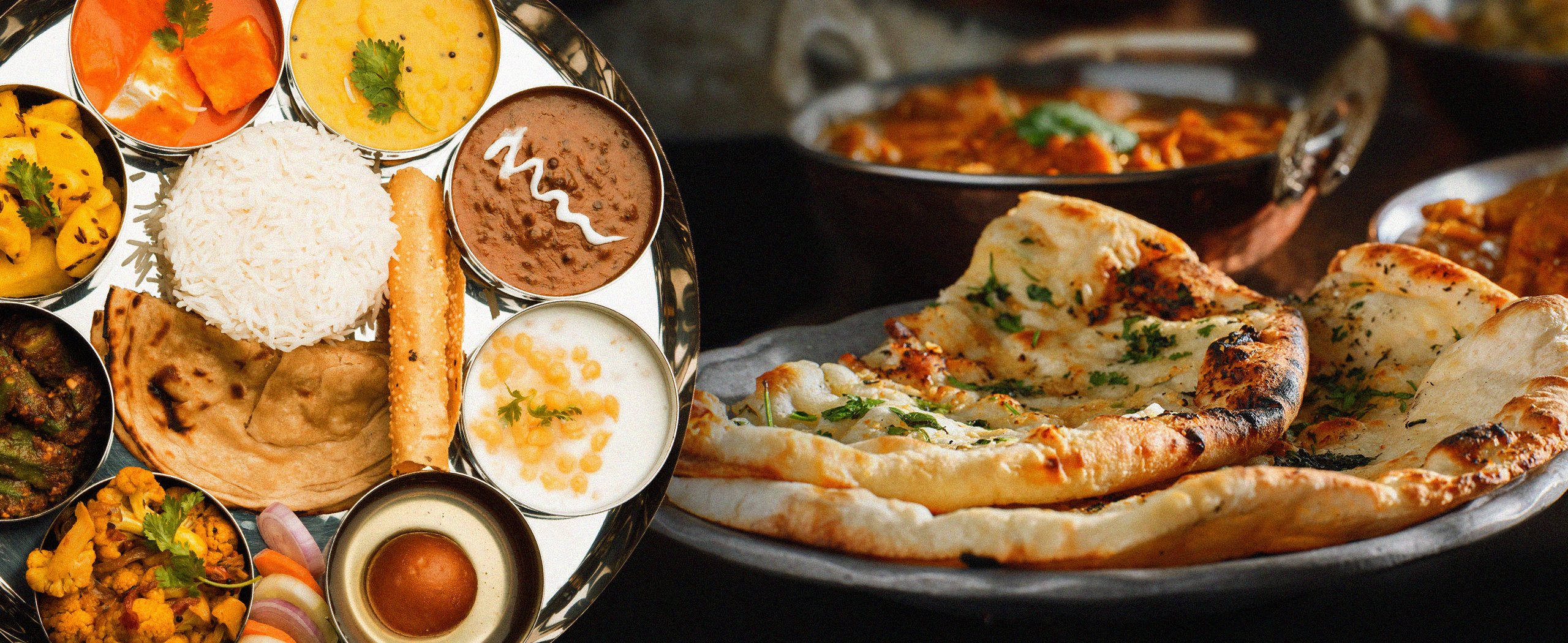
Haleem is most frequently garnished with caramelized onions, cilantro, green chili peppers, lemon wedges, julienned ginger, and mint leaves. It is often served with naan bread. It is easy to scoop up the creamy porridge with bits of naan.
Just as Harees, it is widely eaten during the Muslim month of fasting, i.e., Ramadan, for iftar. If you want to try preparing this dish at home, Izzah Cheema shares a simplified and quicker version.
Concluding words…
The story of Haleem’s origin is similar to the dish itself. It is entwined with historical events dating back to the days of legend, and blended into the traditions of different cultures and religions. But one thing is clear: nothing can bring people together better than food. And on this positive note, try Kaiser’s chicken haleem for an authentic taste of this historical delicacy.