Popular Indian recipes | Cuisine the world is in love with
You have probably noticed that some dishes, despite coming from a specific culture, are popular worldwide and have become global favorites. When we think of such foods, Indian dishes immediately come to mind, such as chicken tikka masala, butter chicken, biryani, and tandoori chicken, to name but a few. The recipes for many iconic Indian dishes evolved over generations before they became the modern favorites we all know and love.
Today, popular Indian recipes are not only prepared in home kitchens but served in restaurants worldwide and preserved as ready meals by frozen food manufacturers.
How local foods go global—the example of French fries
The phenomenon of dishes from a specific culture going global is not limited to any particular culinary tradition. In the culinary world, this is the norm rather than the exception. One good example is a side dish or snack we are all so used to that we don’t even give much thought to its origins—French fries.
French fries originated in Europe from potatoes that were brought to the continent from South America. The precise origin of the fries is debated. Belgians, Spaniards, and the French each claim credit for creating these fries. However, potatoes fried in this style were called ‘French fries’ in the US because in 1802, Thomas Jefferson wanted potatoes served in the “French manner” at a White House meal. French fries are now one of the most popular side dishes around the world.
Throughout culinary history, new ingredients have been introduced through trade and migration to regions where they were not previously available. Some of these ingredients find a suitable environment to grow locally, get used in unique and innovative ways, and make their way into local cuisine. Recipes travel with immigrant communities to other regions wherever they settle, and some gain such popularity that they are adapted to suit the local palate and earn a permanent spot in the local cuisine.
This process is by no means a thing of the past; rather, it continues today at an even faster pace because of communication technology and modern trade. Recipes trend on social media platforms, and some become instant global hits. However, the long-term process of including dishes from another culture into the local cuisine of a region generally takes place through established diaspora communities. They bring the flavors of their home with them and share them with their new neighbors, friends, and community members.
Foreign ingredients in popular Indian recipes—chilis and tomatoes
Chilis are so deeply associated with Indian food that it would be difficult to believe that chilis were introduced to India in the 16th century by the Portuguese. Before this, Indian food was seasoned with black pepper.
The same is true for tomatoes. The Portuguese brought the tomato plant from South America to India. The local population was first rather skeptical of the tomato, and people even thought it was poisonous! Over the next few decades, the tomato became an essential part of dishes that needed a tangy, sour flavor, often replacing tamarind. Tomatoes also added texture, helping to create sauces when mixed with the traditional onion, ginger, and garlic base.
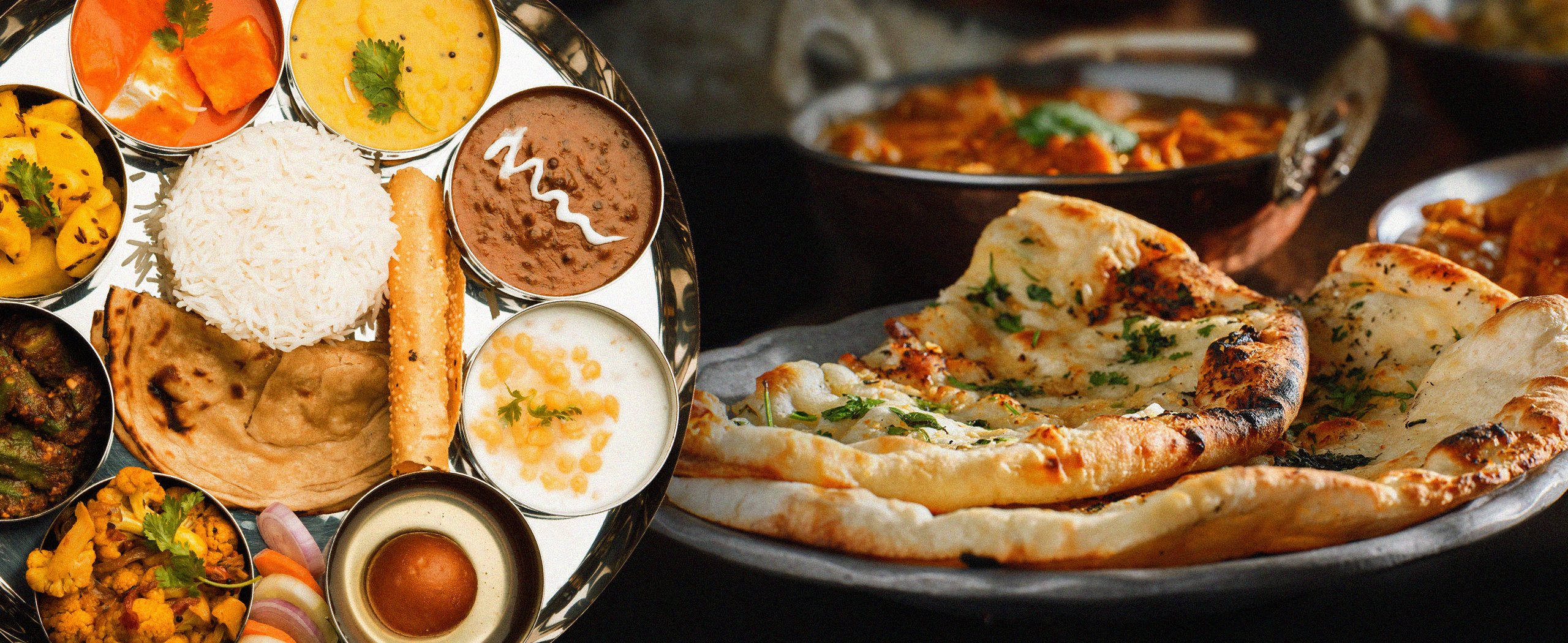
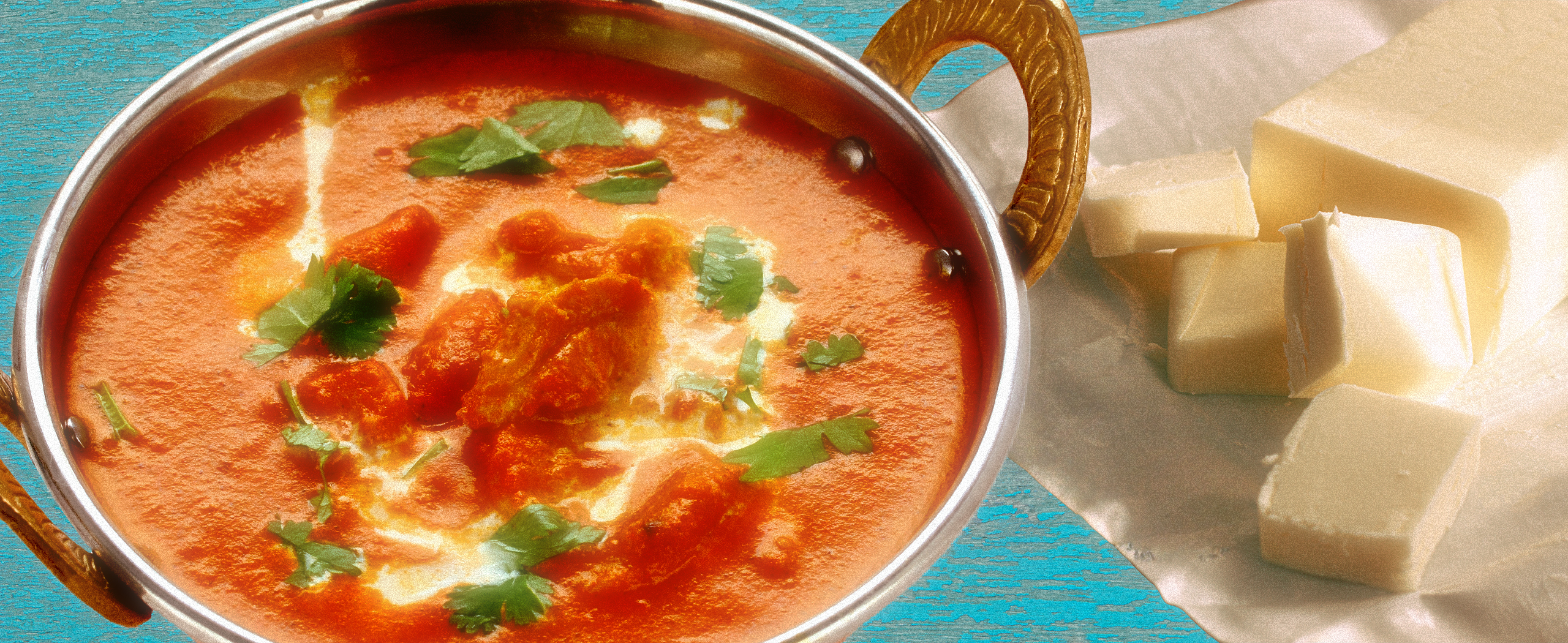
Today, when we dip our naan into the creamy sauces of chicken tikka masala or butter chicken, rich in tomato and spiced with chili, we think of the flavor as authentic Indian. And this is not a mistake because these popular Indian recipes are the result of the organic processes that shape culinary traditions around the world. The trade of spices and ingredients is an ancient one, and culinary fusion is an essential part of this process. The remarkable feature of fusion is that each tradition still stands out—it shines through innovation and creativity, unique and different, retaining something essential of its own.
Biryani: The most popular Indian recipe?
Biryani is an iconic Indian dish that is eaten around the world. Traditionally, it is a dish made with lamb, beef, or chicken, seasoned with various spices and simmered in a sauce that is then combined with separately prepared rice in layers and cooked together some more.
This popular Indian recipe provides a lot of scope for improvisation. We have vegetable biryani and seafood versions. Different spices and ingredients can impart different aromas to the dish. When we look at the various types of biryani eaten around the world, we can truly see its versatility.
To begin with, there is a dazzling array of biryani recipes within India and the wider South East Asian region. The Hyderabadi version blends saffron, fried onions, and mint. In Lucknow, the dish emphasizes cardamom and cinnamon flavors. Kolkata biryani adds potatoes and boiled eggs to the recipe and uses rose water. In Kerala, the Malabar variation brings together cashews and raisins and combines ghee and coconut oil to create yet another delightful version. The Bombay biryani includes fried potatoes and dried plums. And these are only some of the varieties eaten within India!
Going further, many other types of biryani are eaten in the Middle East. We have Omani biryani or maqbous, prepared with dried lime and local spices. It has a unique smoky flavor as a result of using charcoal during the cooking process. Arabic Bukhari biryani is mild and simple, frequently prepared with lamb or chicken and flavored with cardamom, cloves, and cinnamon. Yemeni mandi is a rice and meat dish cooked in an underground clay oven with a spicy, tangy flavor. Malaysian biryani or nasi beriani is typically prepared with mutton or beef, but also with chicken. Fried shallots and boiled eggs are used to garnish the dish.
In Africa, we have the South African Cape Malay biryani, which combines the sweetness of raisins with the super spicy sambal or chili sauce. In Zanzibar, coconut milk, apricots, and raisins are part of the recipe. Italians prepare risotto-inspired biryani using seafood and olive oil. Australians love their biryani with macadamia nuts. In the US, you can eat the Tex-Mex biryani with jalapenos, cheese, and sour cream.
Chicken Tikka Masala: An Indian recipe so popular it’s Britain’s unofficial national dish
In 2001, UK Foreign Secretary Robin Cook said in a speech that chicken tikka masala was “a true British national dish”. This unofficial title was bestowed upon the hugely popular Indian recipe as a testament to Britain’s success in establishing a multicultural society.
Putting aside political debates regarding migration issues, the statement does reflect the reality that a dish presumably created in India traveled to the UK and managed to become a go-to for locals, as a high-end restaurant delicacy, a comfort food, and also as a ready meal widely available in supermarkets.
Given the background of the dish, it is very likely that this popular Indian recipe emerged to adapt chicken tikka to the British palate by simmering the chicken in a tomato and cream sauce, because the English preferred gravy to dry tandoori chicken. It is not surprising then that once immigrant communities grew in size in the UK, the dish quickly became popular, since it was already a type of fusion food.
Pani puri and dosa: Popular Indian street food recipes in fine dining
Pani puri is a popular Indian street food. Refined flour dough is cut into thin rounds and deep-fried so that it puffs up. This is puri, and it is cracked open slightly to fill it with cooked potatoes, chickpeas, or mung bean sprouts, then dunked into spice-infused water or pani.
Dosa is a South Indian crispy pancake made from fermented rice and black gram batter, and it is usually eaten with sambar, a vegetable-based lentil stew, and different condiments such as coconut chutney.
These two humble but popular Indian recipes have become culinary sensations around the world. They have also found favor with Michelin-starred chefs at Indian restaurants in New York, London, and Bangkok, who have experimented with these street foods to create bold and unique versions—with pani puri fillings such as avocado and pickled beets, and dosa served with green tomato relish and whipped goat cheese!
A plant-based diet trend: The popular Indian cheese & spinach recipe
This cottage cheese and spinach curry is becoming an increasingly popular Indian recipe with the rise of plant-based diets. Palak is a Hindi word for spinach, but the dish can also be made with a mix of leafy greens usually called saag paneer, including fenugreek, mustard greens, kale, etc. When the dish contains only spinach, it is called palak paneer (sometimes the two terms are used interchangeably, but they refer to different dishes). Cream is also added to offset the bitter flavor of spinach, but it can be substituted with yogurt. In a vegan version, tofu can be used instead of paneer, and olive oil instead of butter or ghee.
You can find a recipe for this nutritious and delicious curry by Manali Singh here. It pairs well with both flatbread and rice. You can have it with roti, your choice of Kaiser’s naan or paratha, or with rice of your preference. It can be more or less spicy according to your choice.
Concluding words…
Indian cuisine has influenced culinary traditions around the world. It would be difficult to travel to a major city in the world today where eateries are without popular Indian recipes. But it is important to remember that it takes commitment to quality and respect for tradition to keep up with evolving trends and yet to preserve unmistakably authentic flavors.
It is these flavors that Kaiser brings to you with its choice of Indian ready meals such as chicken tikka masala, butter chicken, and Bombay chicken biryani. So, dig in and let authentic flavors inspire your culinary creativity!