Butter chicken 101 | Everything you need to know about this saucy favorite
You don’t need to be a dedicated foodie to have heard of butter chicken. This dish, invented in the Indian subcontinent, is now a global favorite. Irrespective of its hotly debated origin, it is loved across the region where it comes from, and around the world in restaurants and eateries. Even supermarkets offer ready-to-eat butter chicken meals. It is definitely one of those dishes that combine tradition and innovation in a way that makes it a true representative of a culinary culture.
What is butter chicken? A look at what goes into this delicious dish…
The two Punjabi chefs whose descendants are contesting ownership of the recipe in court were Kundan Lal Gujral and Kundan Lal Jaggi. They started working together in an eatery in Peshawar before the partition of British India. Later, each side established its own restaurant in Delhi, and both have the super-popular butter chicken on their menu. However, they are not in agreement about which of the two restaurants can claim it ‘invented’ butter chicken.
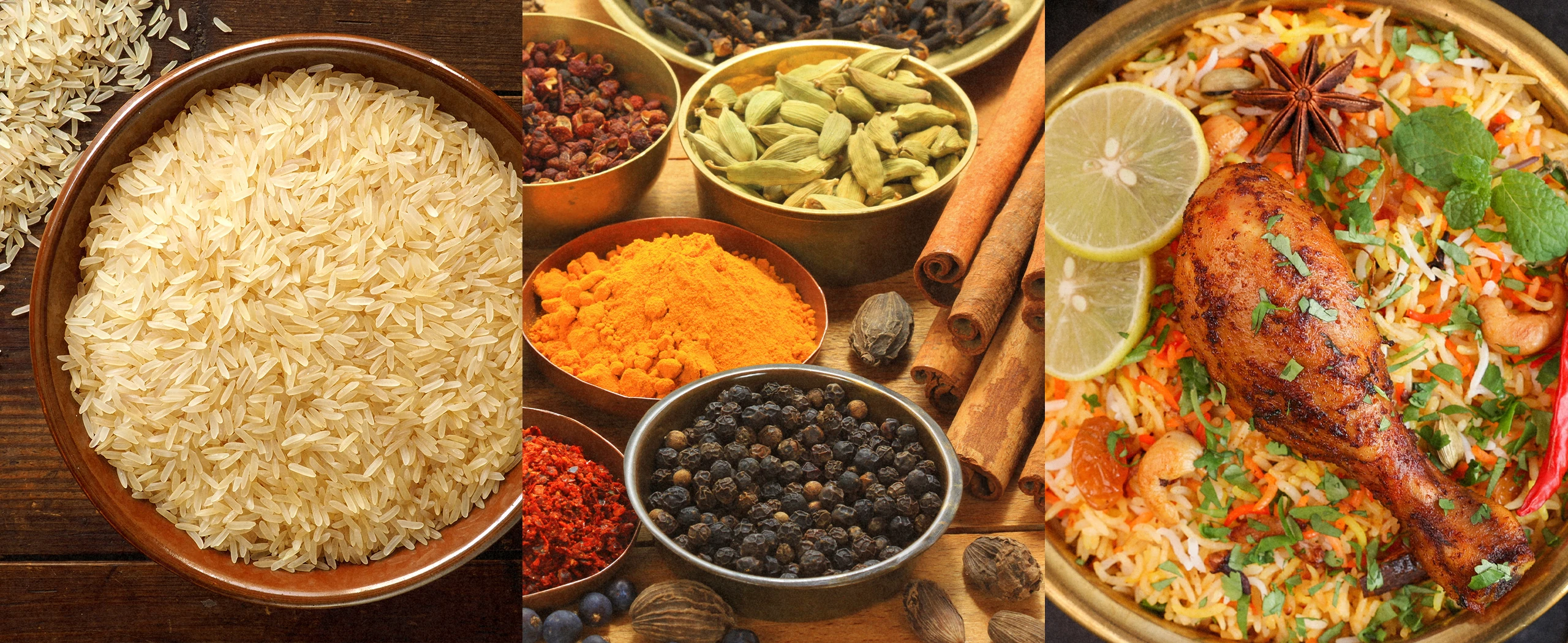
The origin of the iconic dish remains a mystery, but there is certainly nothing mysterious about what goes into it. Traditionally, bone-in chicken is marinated in Indian yogurt or curd (without liquid whey) spiced with cumin, coriander, turmeric, Kashmiri red chili (famous for its deep red color and mild heat), garam masala (a warm aromatic spice blend including cardamom, black peppercorns, cloves, cinnamon, etc.), Kasuri methi or dried fenugreek leaves (an essential), and lemon juice.
Chicken, marinated overnight, is cooked in a traditional clay oven (tandoor) to create a charred, smoky flavor. Then it is simmered in a sauce made from fresh butter, khoya (concentrated milk solids) or cream, and finely crushed tomatoes. The sauce is mildly spiced with whole cinnamon, cloves, cardamom, a bit more cumin and coriander powder, garam masala, crushed dried fenugreek leaves, and a dash of Kashmiri red chili. A fresh pat of cold butter is added to finish the dish off when it has simmered down to a smooth texture. Here it is worth mentioning that, without blenders and mixers, the sauce retained a pronounced texture, unlike the restaurant and homemade versions we see today.
Some say the original recipe included ginger and garlic in the marinade and sauce, and that it used onions to sweeten the sauce.
What makes the world love this dish…
Butter chicken is doubtless one of the dishes meant to become a world favorite because they combine flavors and textures that appeal to a universal palate. Smoky tandoori chicken is very similar to barbecued chicken; perfectly seared yet moist chicken is something people love to eat around the world.
The marinade is spiced but subtle, and to those not used to desi spices, there is no overwhelming flavor. The balance of spicy, sour, and sweet flavors is also something that people generally like in foods.
The creamy, silky texture of the sauce and juicy chicken chunks are elements that make the dish hugely popular. It is well-known that chefs in India adapted many local dishes to British tastes during British rule over the Indian subcontinent. Butter chicken is, in that sense, a hugely successful fusion food.
Finally, butter chicken has two key aspects. In terms of flavor and texture, it is a culinary masterstroke that turned an existing desi dish, chicken tikka, into a rich delicacy, and also made it an ultimate comfort food for a cozy dinner at home. It is the kind of dish you want to order when you go to an upscale restaurant and also something you want to order in or buy as ready-to-eat for evenings when you are craving something that will warm you up from inside, satisfy your hunger pangs, and take away the stress of the day!
Is murgh makhani the same as butter chicken?
The literal translation of murgh makhani is ‘buttery chicken’. It would seem both are names of the same dish—one in the desi language and the other in English; however, there are differences.
The authentic murgh makhani has a complex flavor. The chicken is bone-in, not boneless cubes. It’s cooked in the tandoor before it’s simmered in the sauce, and has a distinct char. The authentic sauce balances tomato, butter, and dried fenugreek. The dish is smoky, with a tang and just a hint of sweetness, and has a creamy texture but without the thickness of a paste.
A modified version of the authentic murgh makhani recipe, called butter chicken, simplifies the flavor profile. Many adaptations of the original recipe use honey or sugar to make it sweeter and leave out the bitterish notes of dried fenugreek. The smoky tandoori chicken tikka with bone-in is replaced by boneless chicken seared in a pan or just simmered directly in the sauce. Many adaptations of the original recipe use cashew nuts or almonds to make this modern westernized adaptation even creamier. These adaptations create an easier, simpler version of the original dish with a sweeter taste and a thick paste-like sauce, often with bright orange coloring added.
Butter chicken VS chicken curry—what is the difference?
Although desi dishes are popular around the world, many misunderstandings remain about food from the Indian subcontinent. One of the main misconceptions is about ‘curry’. Many people think that every Indian dish is a ‘curry’, or that ‘curry’ is a key ingredient in Indian cuisine. They will often ask, “What is curry?” or “Is curry a spice or a dish?”
The confusion between butter chicken and chicken curry is similar.
The word curry appeared during the colonization of India—starting with the Portuguese, continuing with other European powers, and ending with the British. For the Europeans, local foods were too spicy, and the English particularly liked their meat in sauce. They acquired a taste for local dishes prepared to suit their tastes. The spice blend they preferred was used to cook various foods with sauce.
Eventually, the word ‘curry‘ came to signify these spicy, saucy foods, but it is not used in the Indian subcontinent. There is no dish in the region that is locally called curry. Each dish tends to have its own different blend of spices and name. On the other hand, the word has become so synonymous with Indian dishes featuring a spicy sauce or gravy that even Indians refer to such food as curry for the benefit of Western audiences.
So you can think of butter chicken as one of the many ‘chicken curries’ enjoyed in the Indian subcontinent—like others, it too falls under the ‘chicken curry’ umbrella.
Butter chicken VS chicken korma—two different creamy chicken dishes
Butter chicken originated in British India, but chicken korma is a classic recipe rooted in Mughal cuisine. It is an aromatic festive dish associated with occasions such as wedding feasts. There are several established varieties of korma depending on the region. Various kinds of meats are used, such as lamb, beef, goat, and, of course, chicken.
For butter chicken, marinated chicken is cooked in a clay oven or tandoor before it simmers in the sauce. However, to make korma, raw chicken is braised—seared at high temperature, and then slow-cooked in the sauce. So it does not have the charred and smoky flavor of butter chicken.
The main characteristics of a korma are its mild, spicy flavor and creamy texture. However, yogurt, not butter, is the essential ingredient. Different kinds of nuts are also blended to thicken the sauce, for example, cashews and almonds. Like butter chicken, the korma uses cream, but some recipes use coconut milk instead.
Unlike butter chicken, which has a tomato-based sauce, the foundation of korma stands on onions caramelized to a golden brown. There are no tomatoes in the recipe. Its color is therefore markedly different from that of butter chicken, which has a tomato-based sauce and uses Kashmiri red chili famous for its vibrant color.
The korma is less intense in heat, with a nutty taste, and is sweeter than butter chicken, which subtly hints at sweetness. Rose water, saffron, and dried fruits are also used in some korma recipes. Most versions use fresh mint and cilantro to freshen the taste and aroma.
Butter chicken VS chicken tikka masala—choosing between two top favorites
The two popular dishes might look similar since both feature tandoori chicken tikka in a rich red tomato sauce; however, they are different.
Original butter chicken, i.e., murgh makhani, is a relatively older dish originating in the Indian subcontinent during the British Raj. Chicken tikka masala draws on murgh makhani for inspiration, but it is more of an Anglo-Indian dish primarily popularized in Britain.
Traditionally, butter chicken (murgh makhani) is made with bone-in chicken, while tikka masala uses boneless chicken. Both dishes start with tandoori chicken and have a tomato-forward sauce. However, butter chicken is creamier, milder, and a little sweeter. Butter chicken’s reliance on butter balances the acidic tomato flavor. On the other hand, chicken tikka masala uses yogurt and cream, and a more complex spice blend, resulting in a bolder, spicier, and tangier flavor. Also, the texture of the butter chicken sauce is creamy, while that in chicken tikka masala is chunkier.
Ultimately, both are top-ranking global favorites—two desi dishes that can frequently make you team butter chicken or team chicken tikka masala!
Best side dishes to make it a super delicious meal
Once you have your butter chicken, it is really up to you how you will eat it. There are many different ways to scoop it up and several side dishes that complement it. Here are a few ideas:
- If you are a bread person, Indian flatbreads such as plain naan, tandoori naan, garlic naan, plain paratha, laccha paratha, Malabar paratha, and romali roti are options for scooping up the delicious butter chicken.
- If you are fond of rice, you could have plain white basmati rice, or saffron or jeera (cumin-flavored) rice.
- You could even have both rice and a choice of your flatbread to enjoy the best of both worlds.
- The dish is usually eaten with a vegetable side dish, for example, this deep-fried okra.
- A simple salad with fresh red onions, cucumbers, and green chili is the most frequent desi choice.
- A raita or spiced Indian yogurt could be as simple as adding fresh salad ingredients to yogurt, or you could add cilantro and mint. You could also have this yummy boondi raita that uses store-bought gram flour batter fried into droplets.
- If you like a lot of heat, mango pickle is a great condiment.
- As for drinks, there is nothing like lassi or mango lassi!
Concluding words…
Now that you know your butter chicken thoroughly, all that is left is to visit a restaurant near you that serves the authentic recipe. If you haven’t tried this dish before, you will certainly return to it with your family and friends. You could also reach out for Kaiser’s delicious, ready-to-eat butter chicken and choose a bread you like from Kaiser’s wide choice of desi flatbreads. Even on a busy evening, you can find time to add a fresh salad, make a spicy raita, or pair it with Indian pickle to enjoy a cozy dinner at home!
Common questions asked about butter chicken
What does butter chicken taste like?
It is mildly spiced, smoky, a little tangy, with a hint of sweetness.
Is butter chicken spicy?
The marinade and sauce in it use a selection of warm spices; however, the dish is mild. Its spicy, sour, and sweet flavors balance each other, without any one overwhelming the dish.
Why is butter chicken orange?
The mix of tomatoes, spices such as turmeric and Kashmiri red chili, and white dairy results in butter chicken’s reddish-orange color.
Is butter chicken sweet?
No. The original recipe has a hint of sweetness, but it’s balanced and subtle, without an overwhelming flavor.
What is the difference between butter chicken and tikka masala?
Chicken Tikka Masala is more of an Anglo-Indian dish popularized in Britain, whereas the original butter chicken (murgh makhani) is an older dish originating in British India. Both have a tomato-forward sauce, but butter chicken is milder with a hint of sweetness, whereas chicken tikka masala is spicier and tangier.
How is butter chicken different from chicken korma?
Butter chicken originated in British India, whereas chicken korma is a classic recipe in Mughal cuisine. There are many key differences in the recipes of these two creamy dishes. Overall, the korma is less intense in heat, with a nutty taste, and is sweeter than butter chicken, which subtly hints at sweetness. Also, the meat in korma does not have the smoky flavor of the meat in butter chicken because of different cooking methods.
Are butter chicken and chicken makhani the same?
Murgh makhani is the original ‘butter chicken’ that has a more complex flavor than adapted recipes. It uses bone-in chicken, not boneless chicken cubes. Chicken is cooked in a clay oven before it is added to the sauce, not just seared in a pan or added directly. The authentic sauce balances tomato, butter, and dried fenugreek, whereas most adapted recipes use honey or sugar to sweeten the dish and leave out fenugreek for its bitter notes. There is no coloring used in murgh makhani, and its vibrant color is due to the tomatoes and Kashmiri chili. The original sauce is creamy and has more texture; it is not thick like a paste.
What spices are in butter chicken?
The chicken marinade is spiced with cumin, coriander, turmeric, Kashmiri red chili, and garam masala (a warm aromatic spice blend including cardamom, black peppercorns, cloves, cinnamon, etc.). The sauce is mildly spiced with whole cinnamon, cloves, cardamom, a bit more cumin and coriander powder, garam masala, and a dash of Kashmiri red chili.
What makes butter chicken so creamy?
The creamy texture of murgh makhani, or authentic butter chicken, is the result of freshly churned butter and cream. Adaptations of the original recipe often use cashew nuts to make it thicker and creamier.
Does butter chicken have cream?
Yes. The authentic recipe uses freshly churned butter and cream.
Does butter chicken contain yogurt?
No. Butter chicken does not contain yogurt. Its creaminess is the result of butter and cream.
What to serve with butter chicken?
The dish is paired with Indian flatbreads naan and paratha, as well as plain basmati or jeera rice. Veggie dishes like deep-fried okra, fresh salads, raita, and Indian pickles also complement the dish.